

Rewilding Nature and Technology
As part of our ongoing public conversation series, we hosted an evening in London full of laughter and song, exploring the relationship between nature and technology. Spanning technology, ecology, design and song, beautifully held between Dem Gerolemou, Janice Li, Sam Lee and Jemma Foster.
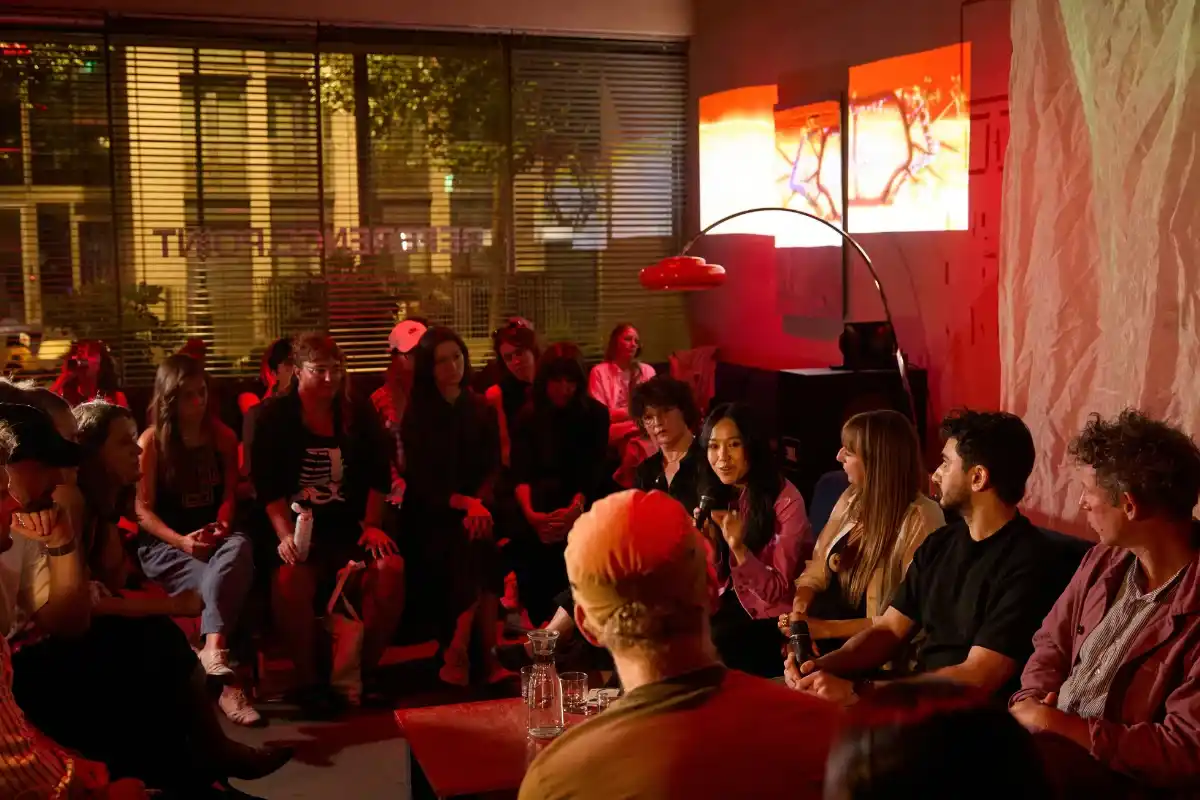
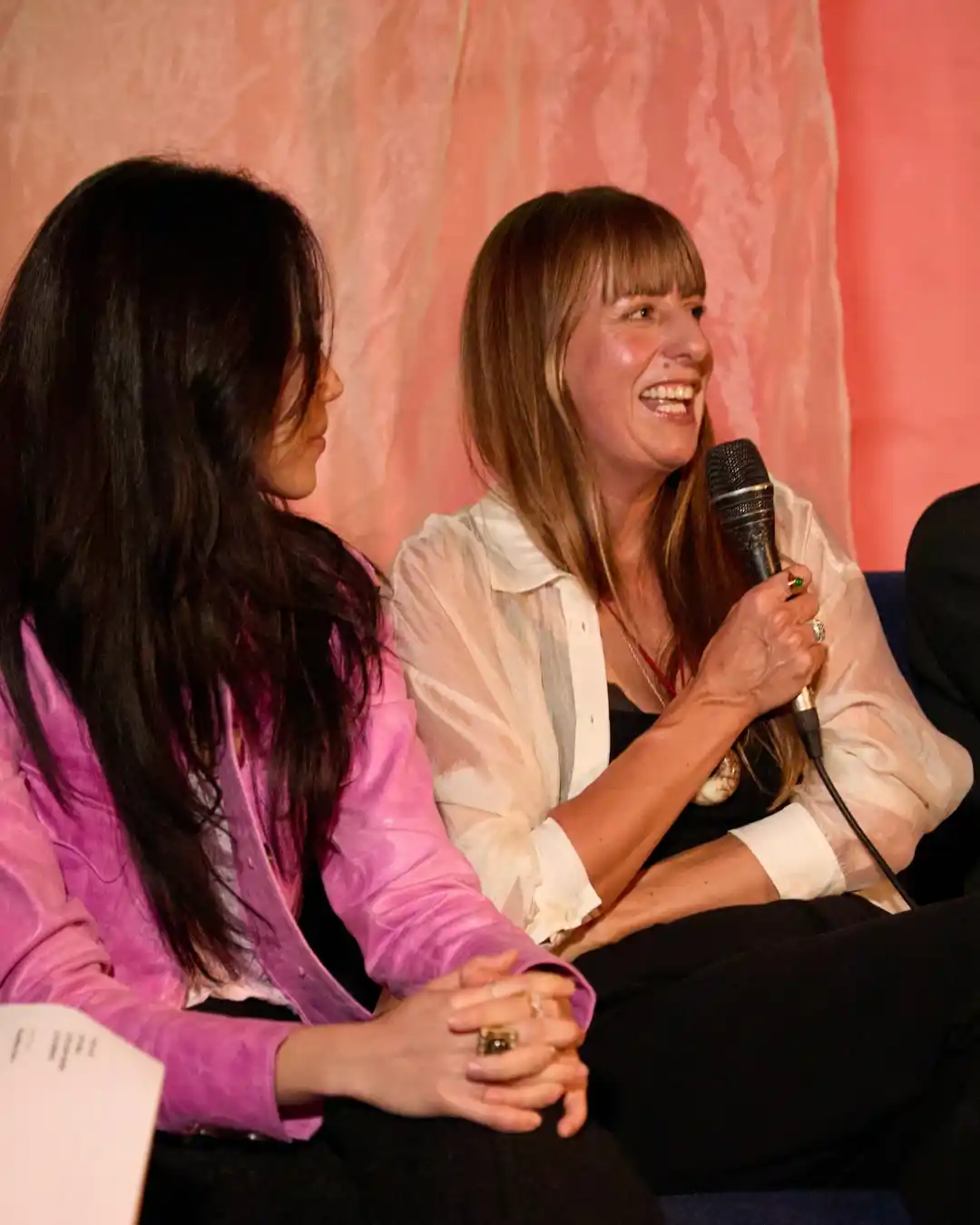
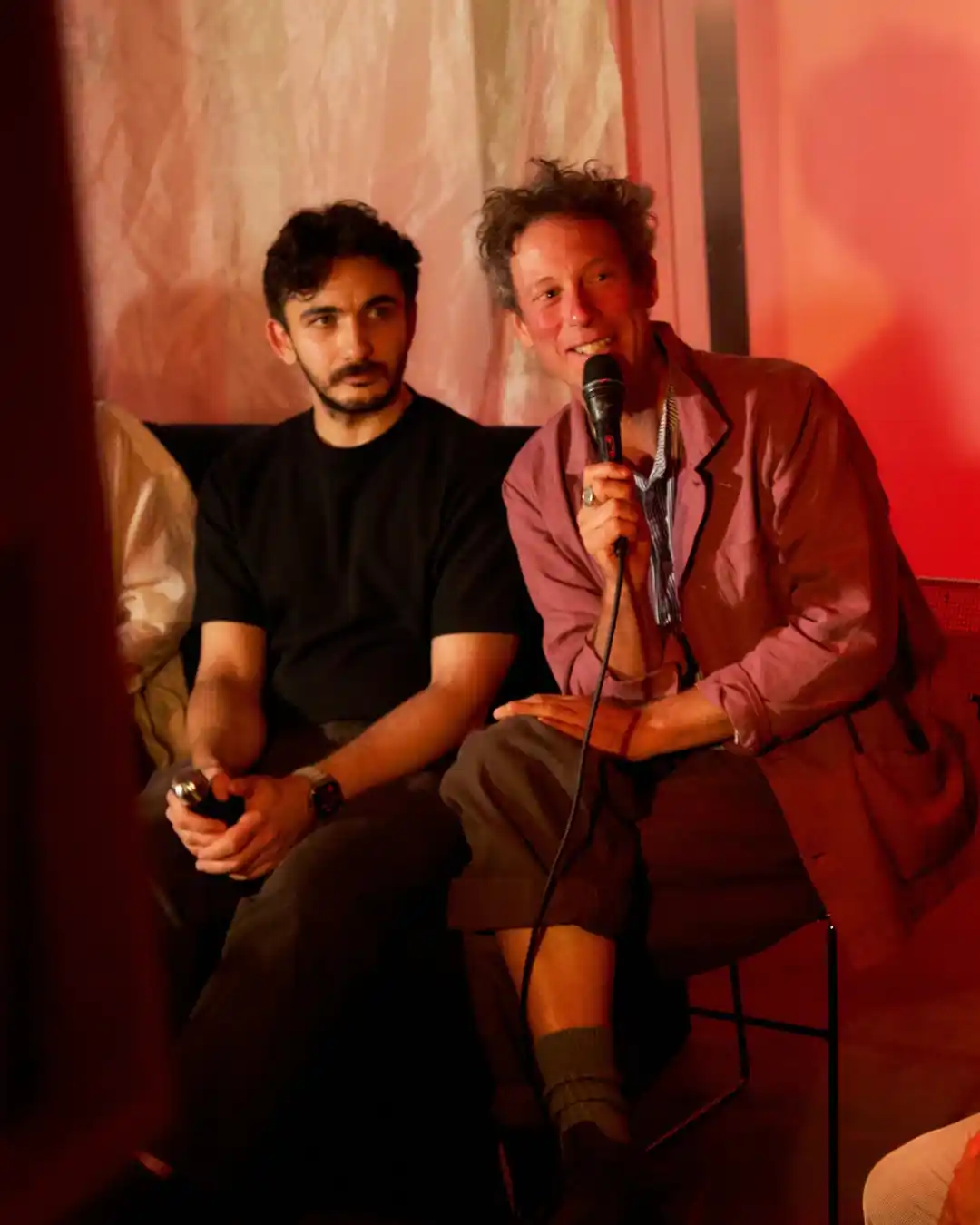
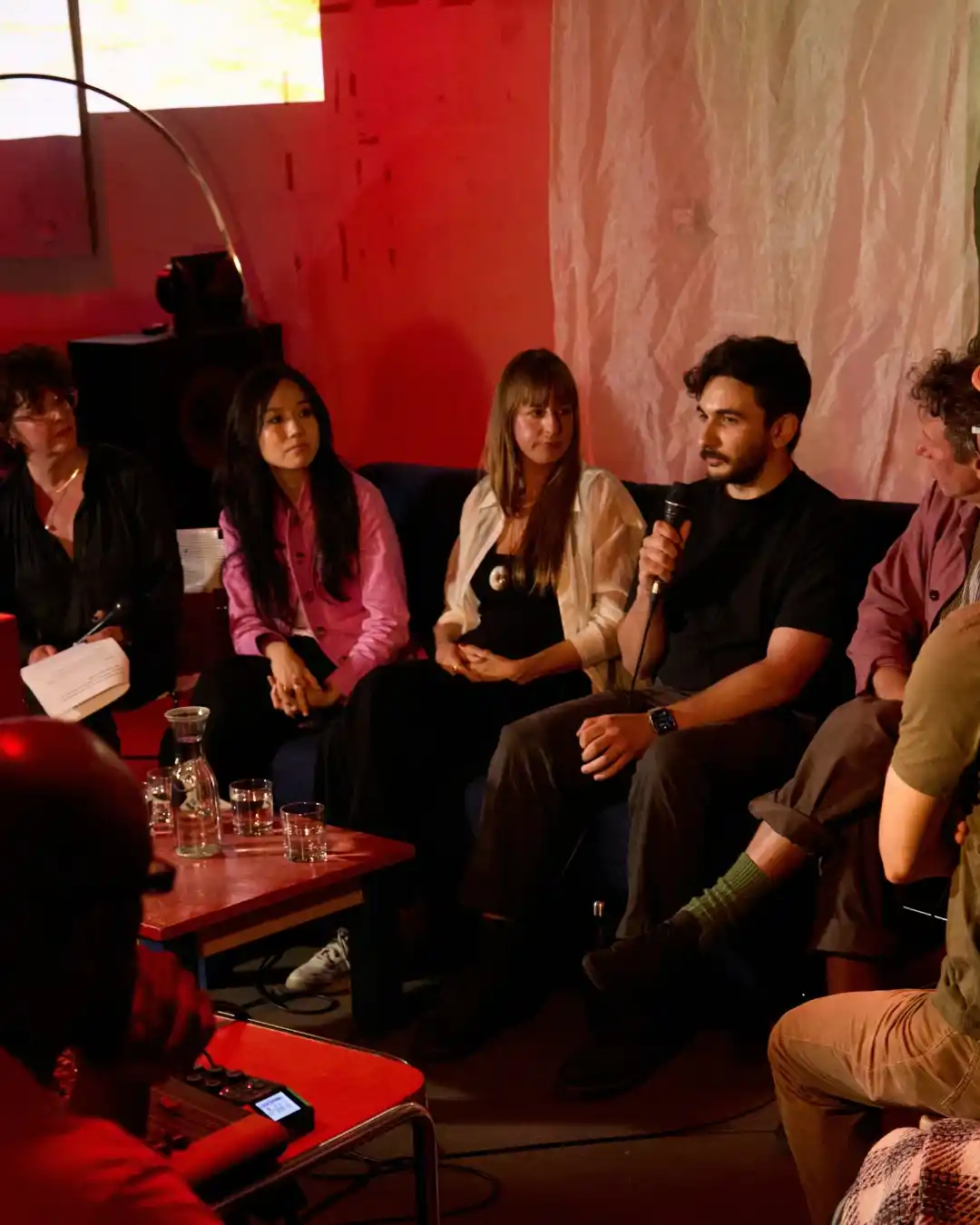
How can living natural systems and ancient practices guide and shape new technologies to grow and regrow?
How can living natural systems and ancient practices guide and shape new technologies to grow and regrow? Regeneration is about going beyond minimising ecological damage and instead looking to restore, heal, renew, regrow and restore.
As part of our public conversation series, we explored technology in relation to nature. At a time when dominant narratives are filled with AI's pull on natural resources in data centers, when we see language pulling on natural terms like “swarms” igniting real fears of agents turning on humanity and the planet, the conversation was a good opportunity to talk about regenerative approaches and what we need to do so that tech, ecological systems including the human and beyond human to harmoniously thrive and co-exist.
Here are a few glimmers we’re still carrying with us:
Nature is already technology. Living systems have been adapting, communicating and solving problems long before we started calling it digital or innovation.
"We need more moments of pause, decay and review, so that technological systems can develop and adapt." - Jemma Foster
Regeneration needs decay, rest and renewal. Living systems rely on cycles. Growth isn’t constant, and endings can create conditions for something else to grow and emerge.
“Making more isn’t always the answer.” – Dem Gerolemou
Optimisation isn’t the same as resilience. Nature survives through diversity, redundancy and adaptation — not through optimisation or making everything as efficient as possible.
“There are many benefits we typically don’t see in rewilding, because of the matrix we typically use to measure impact.” - Janice Li
Ask whether technology builds relationships or extracts from them. Beyond what a technology can do, we can ask what kinds of relationships it creates, supports or weakens.
“We have a word for ‘regenerative’ because we stopped living that way.” – Sam Lee
Perhaps the thing we need to rewild first is ourselves. Before designing differently, we may need to recover our capacity to notice, listen and feel part of the living world.
Our panel was a cross pollination of technology, ecology, design and song:
Dem Gerolemou, UX Designer Google Research
Dem is a UX designer at Google Research focused on Crisis Resilience—aiming to ensure that no one is surprised by a natural disaster. He has spent his career working on applications of technology to drive positive social impact, spanning healthcare, drug discovery, science and climate. Previously, he worked at Google DeepMind and Isomorphic Labs.
Janice Li, Curator Future Observatory
Janice Li is a London-based curator and lecturer, currently Head of Curatorial Programme of Future Observatory, the Design Museum's national research programme on the green transition. Her curatorial practice spans art, design, science and history. Informed by material culture, ecology, and intersectionality, she connects complex research with public discourse to centre historically marginalised perspectives. Her recent exhibitions include Thirst: In Search of Freshwater (2025 - 2026) and The Cult of Beauty (2023 - 2024) at Wellcome Collection.
Sam Lee, Singer and Conservationist
Sam Lee is a folk singer, songwriter, author, song collector, conservationist, and founder of Singing with Nightingales. He is a Mercury Music Prize-nominated musician who builds unique bridges between music, especially British folksong, and nature through his concerts, immersive experiences, nature pilgrimages, and wider ecological advocacy. Through his performing, his writing, notably ‘The Nightingale’, published by Penguin in 2021 and his 4 critically acclaimed albums of folk song interpretations and his many other diverse artistic expressions, Sam’s creativity campaigns for a renewed love of nature through the arts and through the heart.
Jemma Foster, Founder Wild Alchemy Lab
Jemma Foster is founder and director of Wild Alchemy Lab, an interdisciplinary creative studio, publishing platform and collaborative ecosystem. A transdisciplinary artist, writer and creative director, her work researches human and more-than-human imagination at the intersection of ecology, technology and ritual. Rooted in alchemy, geomancy and embodied ways of sensing, her practice spans immersive installation, sound and participatory ritual. Through these encounters, she seeks to cultivate attention, relationship and tending between living systems. Jemma’s published books include Sacred Geometry (Octopus, 2020) and Wild Alchemy: An Astro-Botanical Guide to the Magic, Myth and Medicine of Plants (Laurence King, 2024).
Visuals were provided courtesy of Xin Liu Studio Ltd
Photography by Kid Circus.