

Magic, Imagination and AI
We hosted an evening exploring intersections between magic and AI, science and the imagination. A conversation with Francesco Dimitri, Ella Fitzsimmons, Anna Harutyunyan, Tobias Revell and Ellie Robins.
In a time of instability, broken systems, Silicon Valley’s shift to the far right, it’s time we look to different narratives when we think about our future. It’s time we look to hope, to wonder, to magic and the imagination – so that we can lean into ideas and realms we might not completely understand.
Our public conversation explored intersections between magic and AI, science and the imagination. We explored the use of magic and illusion as metaphor when building and relating to new technologies, discussing some of the histories relating to these ideas. We looked at why and how magic and the imagination can be helpful to building technologies and also how it might be holding us and innovation back.
Magic as an innovation guide
Albert Einstein once said “I didn’t arrive at my understanding of the fundamental laws of the universe through my rational mind.”
What can we learn from magic and how can we apply those learnings to AI technologies? In our everyday lives? What can the gift of magic or wonder bring us when we build new technology? How can these ideas elevate or expand our consciousness? How can magic or alchemy become a form of knowing? And how is any of this useful for us when thinking about innovation in tech?
Imagination to make sense of the world
Let’s talk about language. If magic and our collective imagination are about making sense of the world around us and about describing things we don’t understand, why has magic become such an easy metaphor when talking about technology? Things like Microsoft’s Setup wizard or Magic programming language. Marketing uses the power of illusion too. Do you think this is helpful or harmful? Does it speak to a greater magical pulse or is it holding us back?
More than human intelligence
What does more than human intelligence and AI mean? The Rhine Center in Duke University is dedicated to the research of the paranormal and is responsible for coining the term ESP. They’ve been around since the 1960s and today, their research is focused on what they call “humans unexplained abilities” – whether that’s seeing what’s not there, feeling what’s not visible or inviting the unknown into the current world. When we talk about AI, we typically talk about human intelligence. What can we learn from these unexplained abilities?
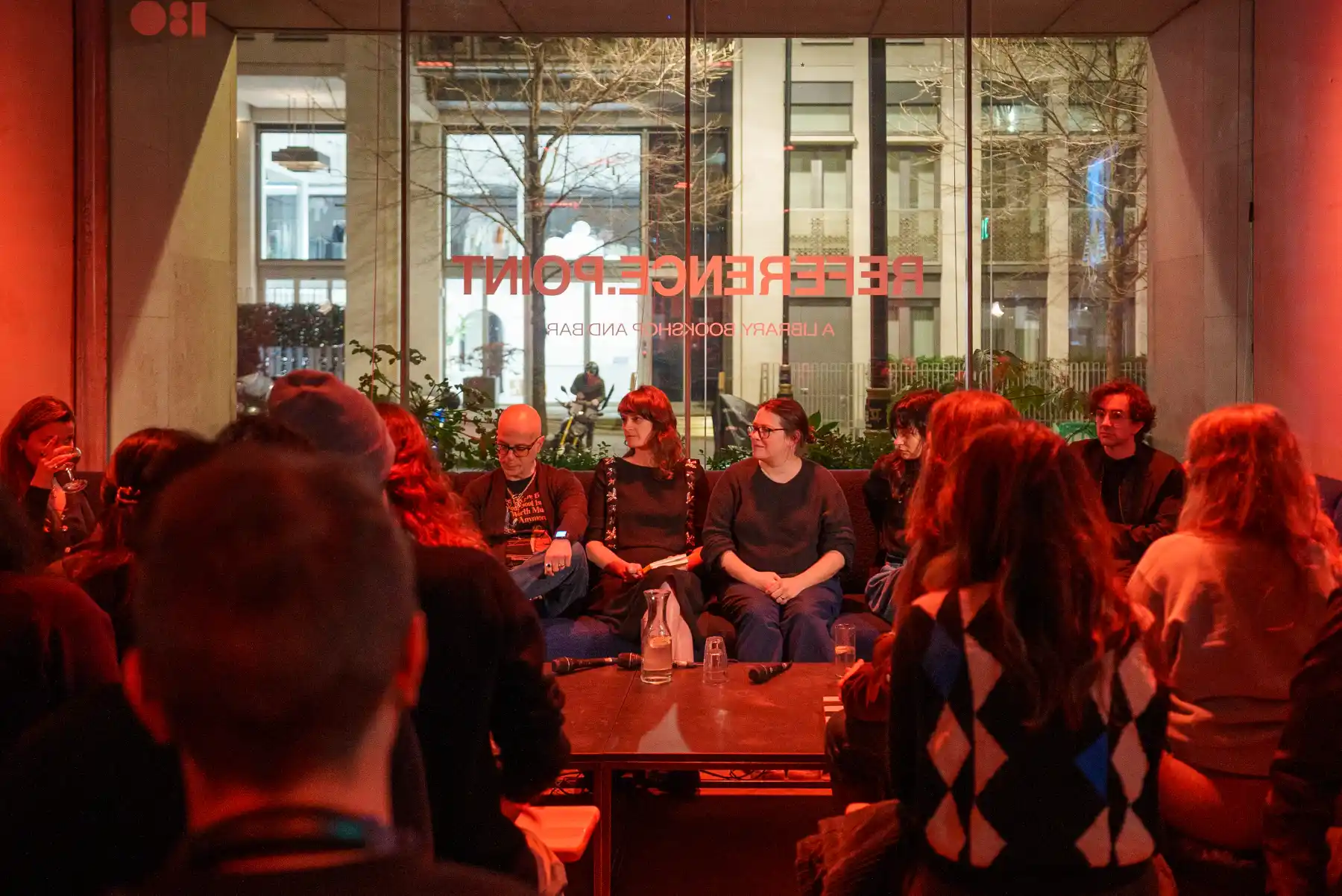
Our panel was made up of experts on magic, designers thinking about magic codes, research scientists interested in metaphysically motivated technologies. We even had a Fool for Imagination join us.
Francesco Dimitri, author of That Sense of Wonder
Francesco Dimitri is a novelist and nonfiction writer living between London and southern Italy. He has written about new religious movements, belief systems, and the interplay of magic and political power. His latest novel, exploring cults and modern spirituality, is The Dark Side of the Sky (2024).
Ella Fitzsimmons, Product Marketing Leader
Ella is a product marketer, service designer and writer, drawn to new technologies and old knowledge. Increasingly interested in shaping services and exploring their implications, she's since worked with everyone from AWS and Google AI to Nobel Peace Prize winners, making complicated ideas and emerging technologies easier to understand and better to use.
Anna Harutyunyan, Google DeepMind Research Scientist
Anna is a research scientist at Google DeepMind. Born to a family of engineers and mathematicians, it is no wonder she attended a gifted maths focused high school, and carried on studying until receiving her PhD in reinforcement learning in 2018. A devoted student of wisdom traditions, she is now interested in philosophically and metaphysically motivated technology, poetics of agents, and seeks to align the computational metaphors underlying our algorithms with deeper truths about human and more-than-human intelligence.
Tobias Revell, Design Futures Lead, Arup
Tobias Revell is a digital artist and designer from London, he is Design Futures Lead at Arup Foresight. He is approximately 47.6% of research and curatorial project Haunted Machines, a member of technological research outfit Supra Systems Studio and teaches at several design schools. In his practice, he lectures and exhibits internationally on design, technology, imagination and speculation.
Ellie Robins, Fool for Imagination
Eleanor Robins is a writer and fool for imagination, published in the Guardian, the TLS, the Washington Post, the LA Times, and elsewhere. She holds a master's degree in Poetics of Imagination and has worked as an editor and story advisor in London, New York, and Los Angeles. You can follow her work at eleanorrobins.substack.com.
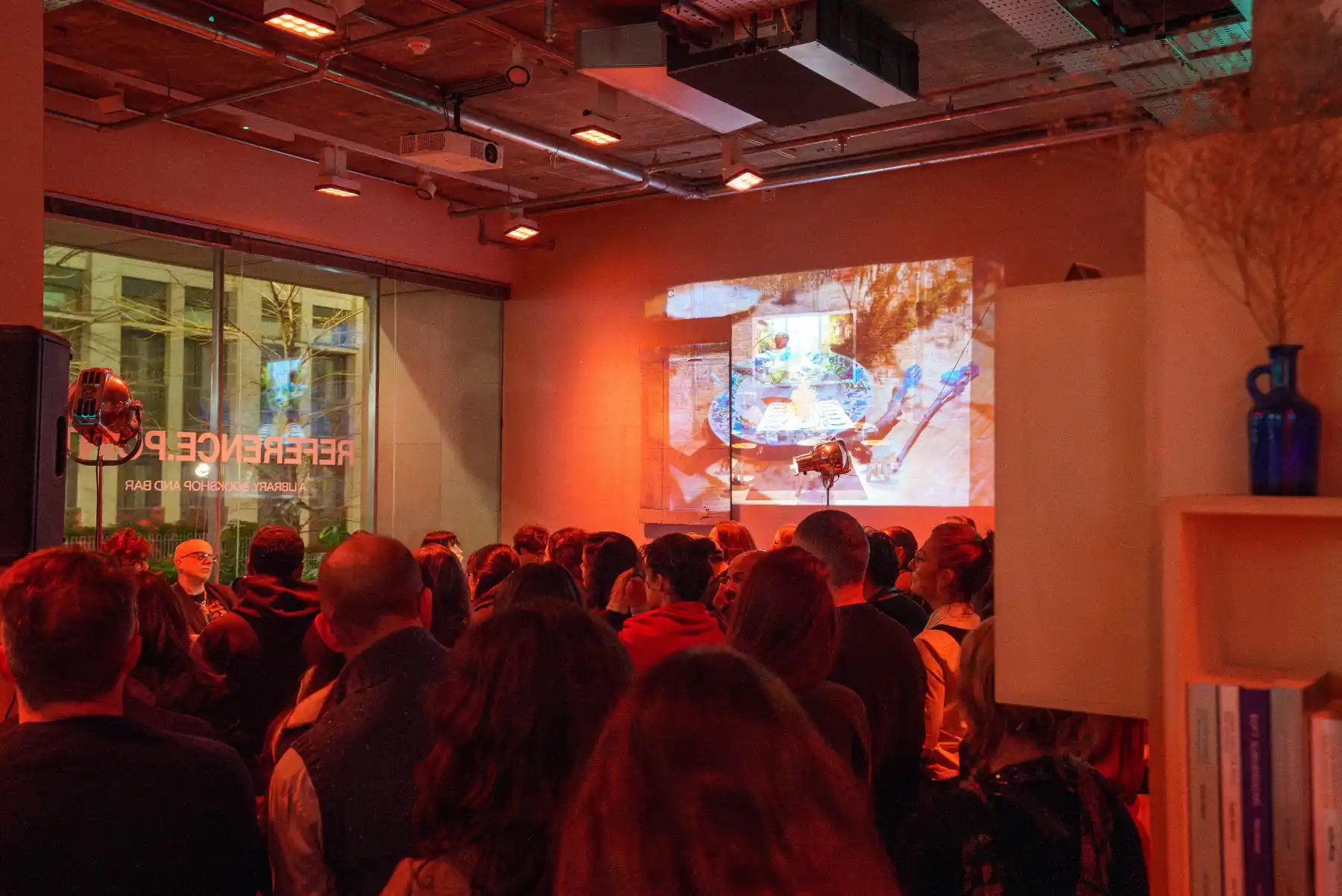
HUWD hosted the event at Reference.Point in London on 11 February 2025. Visuals by Superflux were on display.